
Summer Hydration and Nutrition: Preventing Dehydration in Clayton County Pets
Hot, humid summers can place added stress on dogs and cats, especially when they spend time outdoors. Pet dehydration can develop when an animal loses more fluids than it replaces, and the risk increases with heat, exercise, illness, vomiting, or diarrhea. For pet owners in Clayton County, paying attention to both hydration and nutrition can help protect pets throughout the summer.
Why Summer Hydration Matters
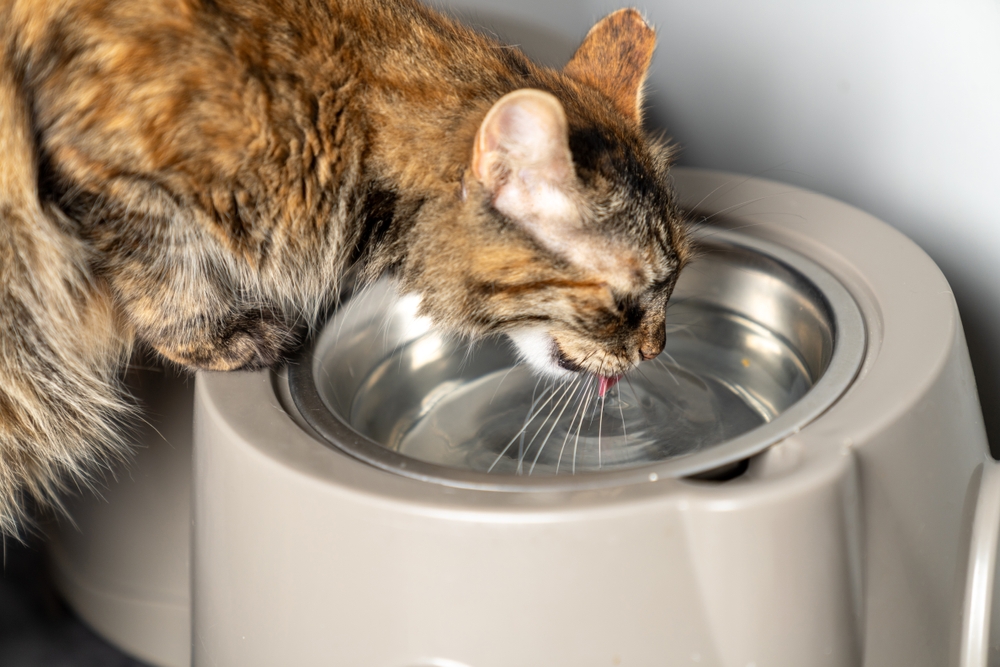
Water supports temperature regulation, digestion, circulation, and normal organ function. Dogs cool themselves mainly by panting, which causes moisture loss. Cats may be less likely to drink frequently, especially if they prefer running water or receive most of their meals as dry food.
Fresh water should always be available indoors and outdoors. Bowls should be cleaned daily and placed in shaded, easy-to-reach areas. During walks, road trips, or outdoor activities, bring a portable bowl and offer water regularly rather than waiting for your pet to appear thirsty.
Signs of Dehydration in Dogs and Cats
Early signs of dehydration can be subtle, so it is important to watch for changes in your pet’s energy, appetite, and behavior. Contact a veterinarian if you notice:
- Dry or sticky gums
- Unusual tiredness or weakness
- Reduced appetite
- Sunken-looking eyes
- Thick saliva
- Skin that does not quickly return to place when gently lifted
- Vomiting, diarrhea, heavy panting, confusion, or collapse
Severe panting, weakness, vomiting, confusion, or collapse can also signal heatstroke, which is a medical emergency. Move your pet to a cooler area and seek veterinary care immediately. Do not use ice-cold water or delay treatment while attempting home remedies.
Support Hydration Through Better Nutrition
A balanced diet helps pets maintain healthy energy levels and receive the nutrients their bodies need. During summer, avoid making sudden food changes unless your veterinarian recommends them. Abrupt diet changes can upset the digestive system and lead to vomiting or diarrhea, increasing the risk of fluid loss.
Some cats and dogs may benefit from adding moisture to meals. Wet food or a small amount of water mixed into approved food can increase fluid intake, but dietary changes should match your pet’s age, weight, health history, and medical needs. Pets with kidney disease, diabetes, heart conditions, urinary concerns, or digestive problems may need a specific nutrition and hydration plan.
Treats should remain limited, and table scraps should not replace a complete pet food. Salty foods can increase thirst, while rich or fatty foods may cause stomach problems. Never offer sports drinks, flavored water, or electrolyte products unless your veterinarian provides specific instructions.
Why Schedule a Summer Wellness Exam?
A pet may appear healthy while developing changes in weight, kidney function, blood sugar, dental health, or hydration status. A summer wellness exam gives the veterinary team an opportunity to assess your pet before heat-related stress or an underlying condition becomes more serious.
During the visit, the veterinarian can evaluate your pet’s weight, body condition, heart, lungs, skin, coat, mouth, and overall hydration. Bloodwork, urine testing, or other screenings may be recommended based on age, symptoms, and medical history. These tests can uncover concerns that are not always visible at home.
A wellness exam also allows pet owners to discuss feeding amounts, safe exercise, travel plans, parasite prevention, medications, and changes in drinking habits. Personalized recommendations are especially important for senior pets, puppies, kittens, flat-faced breeds, overweight pets, and animals with chronic health conditions.
Schedule a summer wellness exam with JAH Animal Hospital in Jonesboro, GA, at (770) 299-8429 to receive personalized hydration, nutrition, and preventive care recommendations for your Clayton County pet.
Quick Links

All Services
Learn More
Keep
In Touch
MAP
Powered by: