
Spring Gardening Hazards: Toxic Flowers, Mulch, and More to Keep Away From Jonesboro Pets
Spring Gardening Hazards: Toxic Flowers, Mulch, and More to Keep Away From Jonesboro Pets
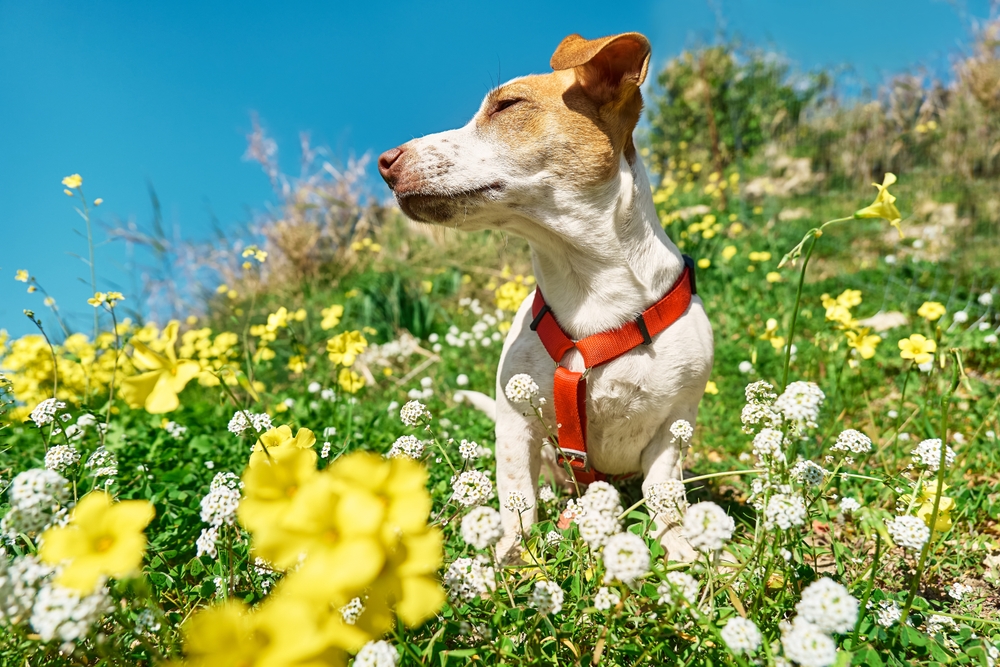
Spring is a popular time to refresh your yard, plant flowers, and spend more time outside with your pets. But some common gardening products and plants can create serious risks for dogs and cats. For pet owners in Jonesboro, knowing what to avoid can help keep springtime safe, healthy, and enjoyable.
Toxic Flowers and Plants to Watch For
Many beautiful spring flowers can be harmful if pets chew or swallow them. Lilies are especially dangerous for cats and can lead to severe kidney problems. Tulips, daffodils, azaleas, sago palms, and oleander can also cause illness in pets.
Signs of plant toxicity may include vomiting, drooling, diarrhea, weakness, appetite loss, or unusual behavior. If you think your pet has eaten a toxic plant, contact a veterinarian right away.
Mulch Can Be More Than a Mess
Mulch may seem harmless, but certain types can be dangerous for pets. Cocoa mulch is especially concerning because it can contain compounds similar to those found in chocolate. If eaten, it may cause vomiting, restlessness, increased heart rate, or more serious symptoms.
Even regular wood mulch can be a problem if pets chew or swallow it. Sharp pieces may irritate the mouth or digestive tract, and large amounts can cause stomach upset or blockage.
Fertilizers, Pesticides, and Weed Killers
Spring lawn treatments can also pose risks. Fertilizers, pesticides, herbicides, and snail or slug bait may contain ingredients that are unsafe for pets. Dogs and cats can be exposed by walking through treated areas, licking their paws, or eating treated grass.
To help reduce risk:
• Store gardening products in sealed containers away from pets
• Keep dogs and cats off treated grass until it is fully dry and safe
• Read product labels carefully before using anything in your yard
• Choose pet-conscious gardening products when possible
• Supervise pets outdoors, especially around new plants or mulch
Compost and Garden Debris
Compost piles, old leaves, grass clippings, and spoiled food scraps can attract curious pets. Moldy organic matter may contain toxins that can cause tremors, vomiting, or other serious issues. Garden debris can also hide sharp sticks, insects, or irritating plants. If your pet likes to dig or chew, keep compost bins covered and clear yard waste regularly.
What to Do If Your Pet Gets Into Something Unsafe
If your pet eats a questionable plant, mulch, fertilizer, or garden product, do not wait for symptoms to appear. Remove your pet from the area, save the product label or plant sample if possible, and call your veterinarian for guidance. Fast action can make a major difference. Our veterinary team can help determine whether your pet needs monitoring, treatment, or urgent care.
Keep Spring Safe for Your Pet
Spring gardening can be safe for pets with a little planning. Before planting or treating your yard, take time to check whether your flowers, mulch, and lawn products are pet-safe. A few simple changes can help protect your dog or cat from preventable hazards.
If your pet may have been exposed to a toxic plant, mulch, or garden product, contact JAH Animal Hospital for guidance. Visit our office in Jonesboro, Georgia, or call (770) 299-8429 to book an appointment today.
Quick Links

All Services
Learn More
Keep
In Touch
MAP
Powered by: